Coffee and Birds FAQ  

How does buying shade coffee help migratory birds?

What is the difference between shade coffee and sun coffee?

What is the "shade spectrum" or "shade gradient"?

How does buying shade coffee help small coffee farmers?

Is all organic coffee shade-grown?

Where can I buy shade-grown coffee?


What is shade-grown coffee?

What is the difference between Arabica and Robusta coffee?

Why should I buy shade-grown coffee?

What is organic coffee?

What is fair trade coffee?

Where is shade coffee grown?


How does buying shade coffee help migratory birds?

Shade coffee is grown in a forest-like setting that provides habitat for a surprisingly rich diversity of species, especially migratory birds. A shade coffee forest mimics a native forest, with several vertical levels of growth and a wide variety of plants and insects for the birds to eat. One study conducted in Mexico found over 140 species of birds in shade coffee farms while sun-coffee farms contained only 5-6 species. [back to top]

What is shade-grown coffee?

"Shade-grown" describes coffee that is grown under a canopy of diverse species of trees, often on small farms using traditional techniques. Unlike with sun-grown or monoculture coffee, the shade canopy provides habitat for songbirds, other animals and plants. Up to 40 species of trees can be found on traditionally managed shade coffee plantations. These trees protect the coffee plants growing beneath them from rain and sun, help maintain soil quality, reduce the need for weeding, and aid in pest control by fostering or attracting predators such as songbirds. Organic matter from the shade canopy reduces erosion, contributes nutrients to the soil, and prevents metal toxicities. [back to top]

What is the difference between shade coffee and sun coffee?

Most generally speaking, shade coffee is grown under a canopy of diverse species of trees, while coffee grown in the sun (or "sun coffee") is cultivated in fields that often provide little or no shade cover, as well as little other species diversity. The varieties of coffee brought to the New World centuries ago are relatively intolerant of direct sunlight, and require the filtering effect of shade trees to protect the leaves from burning. In the last 25 years sun tolerant coffees have been created and farmers have been encouraged by USAID and other international development agencies to convert their growing practices. While sun coffee produces more coffee beans per acre, it requires chemical fertilizers and a range of insecticides, herbicides and fungicides to maintain yields. And, like most monocultures, sun coffee plantations cause increased erosion and toxic run-off. [back to top]

What is the difference between Arabica and Robusta coffee?

There are two commercial species of coffee plant: Coffea Arabica and Coffea canephora var. Robusta. More flavorful, Arabica has about two-thirds of the world market. Robusta holds the remaining third of the market. Its caffeine content is about twice that of Arabica, but it is considered inferior-tasting. Robusta is often used for instant coffee and in supermarket-grade blends. Generic supermarket coffee is typically a blend of good Arabica, medium quality Arabica, and Robusta. Instant coffee uses primarily processed Robusta beans. [back to top]

What is the "shade spectrum" or "shade gradient"?

The shade vs. sun distinction is not black and white. Mexican researchers devised a five-category management continuum for coffee, covering a spectrum of shade and cover:

  • Rustic: the least intensive and rarest practice. Coffee shrubs are planted in the existing forest with little alteration of native vegetation. This is the least expensive practice, typically used on small family-owned farms.
  • Traditional Polyculture: deliberate integration of beneficial plants (fruits, vegetables, nuts, medicinal plants, etc.), resulting in greater species diversity than commercial polyculture. Crop diversification helps farmers when coffee prices are depressed.
  • Commercial Polyculture: similar to traditional polyculture, but some shade is removed to make room for more coffee shrubs and a distinct backbone species is generally planted with the coffee. Yields are higher but fertilizers and pesticides are usually needed.
  • Reduced or Specialized Shade: uses a single, pruned canopy species to provide shade. Coffee shrubs are planted more densely, and the farm has a manicured look. Since the over story consists of just one or two species, structural habitat diversity is reduced.
  • Full-Sun or Unshaded Monoculture: does away with the canopy completely. Unshaded, intensively-managed fields are highly productive when given necessary intensive agrochemical inputs. These farms have one objective: producing coffee for market, and they provide little or no habitat for animal life. [back to top]

Why should I buy shade-grown coffee?

Consumer demand for shade-grown coffee can help stop the conversion of rainforest to monoculture by giving farmers financial incentive to produce coffee in the traditional manner and to save forest habitats for their own benefit, as well as for wildlife. By making shade-grown coffee economically viable for small-acreage farmers, you are preserving increasingly scarce habitat for wildlife such as neotropical migratory birds.

Many find shade-grown coffee to be superior in taste and quality. [back to top]

How does buying shade coffee help small coffee farmers?

Most farms that grow shade coffee are small (less than 10-12 hectares). Often these farmers rely on the secondary crops produced among their coffee plants to supplement their income and diet. Shade trees can provide fruit, fuel wood, and other side crops. In addition, shade coffee plantations may require less than 5% of the chemical fertilizers and pesticides that are often used with sun coffee plantations. Thus the farmers and their families get less exposure to chemicals over the course of their lives. [back to top]

What is organic coffee?

Organic coffee growers strive for a balance with nature by eliminating the use of chemical pesticides and fertilizers. Organic farming replenishes and maintains soil fertility and crop health by selecting environmentally friendly solutions to the pest and disease problems that affect their crops. When a grower or processor is certified organic, a public or private organization has verified that standards defined by the United States Department of Agriculture (USDA) have been met. [back to top]

Is all organic coffee also shade-grown?

Most, but not all, organic coffee is shade-grown. Not all shade coffee is organically grown, although it usually uses significantly fewer chemicals than sun coffee. [back to top]

What is fair trade coffee?

Certified Fair Trade coffee has been traded and sold according to international fair trade criteria. Farmers are guaranteed a minimum "fair trade price," for their coffee. If world price rises above this floor, farmers will be paid a premium above market price. Coffee importers provide a certain amount of credit to farmers against future sales. Importers and roasters agree to develop direct, long-term trade relationships with producer groups, bringing greater commercial stability to an extremely unstable market. The fair trade movement is based on the idea that producers in developing countries can achieve economic success provided they receive fair prices in international markets for what they produce. [back to top]

Where can I buy shade-grown coffee?

Visit our Where to Buy page for updated information.

Check with your local health/natural foods store or upscale coffee house and see if they carry it. If they don't already carry it, ask them to start!

You can find lists of all companies in the nation that carry certified shade-grown coffee on the following two web sites:

Smithsonian Migratory Bird Center

Rainforest Alliance

[back to top]

Where is shade coffee grown?

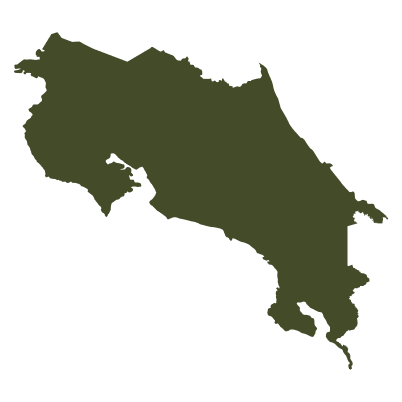
Shade coffee is grown in shaded conditions on small and mid-sized plantations and farms between the Tropic of Capricorn and the Tropic of Cancer. It can be found easily throughout Latin America and the Caribbean, including Mexico, Colombia, Costa Rica and Nicaragua, and other places, like Hawaii. [back to top]